

Introduction:
Engineering education has long been recognized as the cornerstone of technological advancement. At Amrapali University, the Top Engineering Colleges in Uttarakhand where these industries evolve rapidly, the demand for innovative solutions to complex challenges has increased. A strong focus on innovation and research in engineering studies equips students with the tools and mindset required to lead these changes and contribute to groundbreaking advancements. This article explores the significance of innovation and research opportunities in engineering education, and how they empower students to shape the future.
About Us:
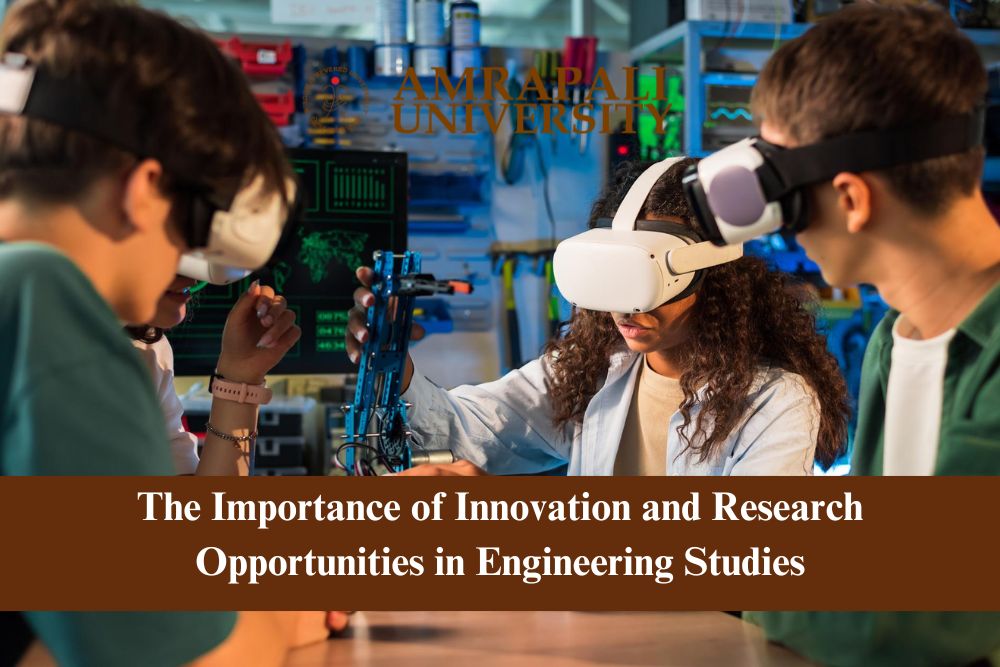
Innovation and research are key pillars of engineering education at Amrapali University. With state-of-the-art labs and research facilities, students have access to cutting-edge tools and technologies. The university encourages students to explore new ideas and conduct research that contributes to industry advancements. Collaborative projects and industry partnerships ensure that students are engaged in innovative problem-solving, preparing them for leadership roles in their respective fields.
1. Driving Technological Advancements
Innovation is at the heart of technological progress. Engineering students, when encouraged to think creatively and engage in research, develop solutions that transform industries and improve lives. A key part of engineering education is fostering the ability to not just understand existing technologies but also innovate new ones. Through research, students can explore novel ways to optimize systems, design new products, or address global challenges such as climate change, energy conservation, and sustainability. Innovation helps students move beyond traditional boundaries, contributing fresh ideas and leading the next wave of technological advancements.
2. Enhancing Problem-Solving Skills
In engineering, innovation often arises when students are faced with complex, real-world problems that require creative solutions. Research opportunities provide the perfect platform for students to explore new methodologies, experiment with concepts, and refine their problem-solving abilities. By tackling real-world issues through research projects, students develop a deeper understanding of theoretical concepts and learn to apply them in practical scenarios. This hands-on approach builds confidence and expertise in identifying, analyzing, and solving problems in a variety of engineering domains, whether it be in design, construction, software development, or manufacturing.
3. Creating Entrepreneurial Mindsets
Research and innovation are essential for fostering an entrepreneurial mindset in engineering students. The ability to think critically, experiment with new ideas, and turn them into viable products or services is key to launching a successful venture. Many engineering students, when provided with research opportunities, explore entrepreneurial projects that could lead to the creation of new startups or technological solutions. Research-driven innovation encourages students to seek new ways to disrupt industries and solve pressing societal problems. By nurturing these skills, students are not only prepared for conventional careers but are also well-equipped to launch their own businesses or contribute to startups.
4. Collaboration with Industry and Academia
One of the major benefits of research opportunities in engineering studies is the chance to collaborate with both industry leaders and academic mentors. Many top engineering colleges facilitate partnerships with renowned research institutions and industries, offering students the chance to work on cutting-edge projects. Through internships, industry-sponsored research, and collaborative projects, students gain insights into the latest technological developments and industry trends. This exposure bridges the gap between academia and industry, helping students apply their research in real-world settings. These collaborations enhance the employability of graduates and provide them with valuable networks and connections in their field.
Conclusion:
Innovation and research opportunities are integral components of engineering education that prepare students for the complex, evolving world of engineering. By fostering creativity, problem-solving, and interdisciplinary collaboration, engineering programs provide students with the skills needed to address global challenges, create innovative solutions, and excel in their careers. The exposure to emerging technologies, hands-on projects, and industry collaborations enhances students’ readiness to contribute meaningfully to the engineering field. As industries continue to evolve, students who take advantage of research opportunities will be well-positioned to lead the way in the next era of technological innovation.
FAQs:
Q. 1 Why is innovation emphasized in engineering education?
Ans : Innovation enables students to develop creative solutions to complex engineering challenges, driving technological progress in various industries.
Q. 2 How do research opportunities benefit engineering students?
Ans : Research allows students to explore cutting-edge technologies, gaining hands-on experience and preparing them for advanced roles in their careers.
Q. 3 What role does industry collaboration play in research?
Ans : Industry collaborations provide students with real-world projects, networking opportunities, and a deeper understanding of industry demands.
Q. 4 Are research opportunities available at all engineering institutions?
Ans : Leading institutions, such as top B.Tech colleges in Uttarakhand, including Amrapali University, offer extensive research labs and projects.
Q. 5 How do engineering students contribute to global challenges through innovation?
Ans : By researching sustainable technologies, renewable energy, and smart solutions, students play a critical role in addressing global issues.
Q. 6 Can research in engineering lead to entrepreneurial ventures?
Ans : Yes, many students turn their research into startups, applying innovative solutions to market needs and creating new business opportunities.